Shahriar Beigi is a civil engineer and transportation AI researcher advancing safer mobility through infrastructure, machine learning, simulation, and connected vehicles.
Bridging physical infrastructure and intelligent mobility.
I am a University of Virginia Ph.D. candidate and civil engineer researching how autonomous and connected vehicles make decisions under uncertain traffic conditions.
My perspective is grounded in real infrastructure: federal highway safety, bridge and tunnel inspection, structural design, load rating, and field construction.
Professional focus
Engineering across two frontiers.
01
Autonomous & connected mobility
Decision-making, collision-risk evaluation, mixed-traffic control, adaptive cruise control, and infrastructure readiness for automated vehicles.
⌁02
Machine learning & simulation
Python and PyTorch models, time-series prediction, uncertainty calibration, VR studies, trajectory processing, and validation across observed and simulated data.
∿03
Civil & structural engineering
Highway safety, bridge and tunnel inspection, load rating, structural design, roadway audits, roadside barriers, and construction coordination.
╱╲
Research experience · University of Virginia
Research Experience.
Four connected research programs spanning observed traffic data, virtual reality, autonomous-vehicle sensing, connected control, and field-test planning.
01Prediction + control
Traffic Data Analysis and Mixed-Traffic Safety Research
University of Virginia · Charlottesville, Virginia
Developed acceleration predictors and mixed-traffic control methods from 100+ observed car-following scenarios to study longitudinal decisions, rear-end crash risk, and string stability.
Screened and cleaned 100 NGSIM scenarios through data-quality checks, trajectory smoothing, and recalculation of acceleration before model development.
Designed separate training, validation, calibration, and test datasets to prevent temporal leakage; measured prediction error with RMSE, MAE, and R² and assessed uncertainty using interval coverage and width.
Evaluated control strategies for three-vehicle mixed-connectivity platoons using stability and crash-risk measures to assess connected-vehicle behavior.
02Human factors
Virtual Reality Safety Evaluation of Connected Cruise Control
University of Virginia · Charlottesville, Virginia
Conducted a 20-participant BeamNG/VR study, screened trial validity, and retained 17 participants for paired analysis of connected-cruise-control behavior.
Built traffic data records for speed, acceleration, headway, throttle, and braking; evaluated countermeasures using time exposed time-to-collision, deceleration rate to avoid crash, and rear-end crash risk index.
Documented data elements, safety-performance measures, methods, and findings in three technical reports for research sponsors.
03Systems review
Impact of Critical Situations on Autonomous Vehicles and Improvement Strategies
University of Virginia · Charlottesville, Virginia
Reviewed 50+ studies to characterize camera, LiDAR, radar, and GNSS sensing limitations under fog, glare, contamination, faded lane markings, and construction zones.
Assessed roadway-infrastructure needs for highway automation and published improvement strategies for lane markings, signs, maintenance, and work zones.
04Real-world validation
Connected-Vehicle Field-Test and Adaptive Cruise Control Planning
University of Virginia · Charlottesville, Virginia
Prepared a Comma.ai openpilot field-test plan for synchronized vehicle, GPS, and driver-monitoring data collection, staged validation, and driver-override criteria.
Proposed a risk-adaptive cruise-control strategy using time-to-collision, required deceleration, and stopping-distance margins; defined comparative tests for safety and control trade-offs.
Professional experience
Professional Experience.
—
Civil Engineer, GS-11
Federal Highway Administration · EFLHD
Virginia
Promoted from Pathways Intern to full-time direct hire in Technical Services, supporting traffic operations and highway safety across a multiple-project portfolio.
Conducted roadway safety audits and guardrail warrant evaluations and prepared plans, specifications, and estimates for federal projects.
Analyzed National Park Service crash data for multiple park-road sites in ArcGIS Pro to support guardrail warrants and roadside safety-barrier decisions.
Applied MUTCD standards for signs, pavement markings, and signals across five federal projects to improve safety for all road-user groups.
—
Civil Engineer II
HNTB
Massachusetts
Inspected 20+ structures for MassDOT, MBTA, and SFMTA, including the I-93 and Ted Williams tunnels and the Zakim Bridge.
Authored inspection plans for 20+ structures and presented findings and specifications to officials across several states.
—
Civil Engineer
AECOM
Massachusetts
Performed inspections and load ratings for 20+ MassDOT and RIDOT structures, including the I-93 tunnels, against federal and state live-load standards.
Designed and inspected structures for four owners, including MassDOT, Massport, and Logan Airport.
—
Civil Engineer
New Hampshire Department of Transportation
New Hampshire
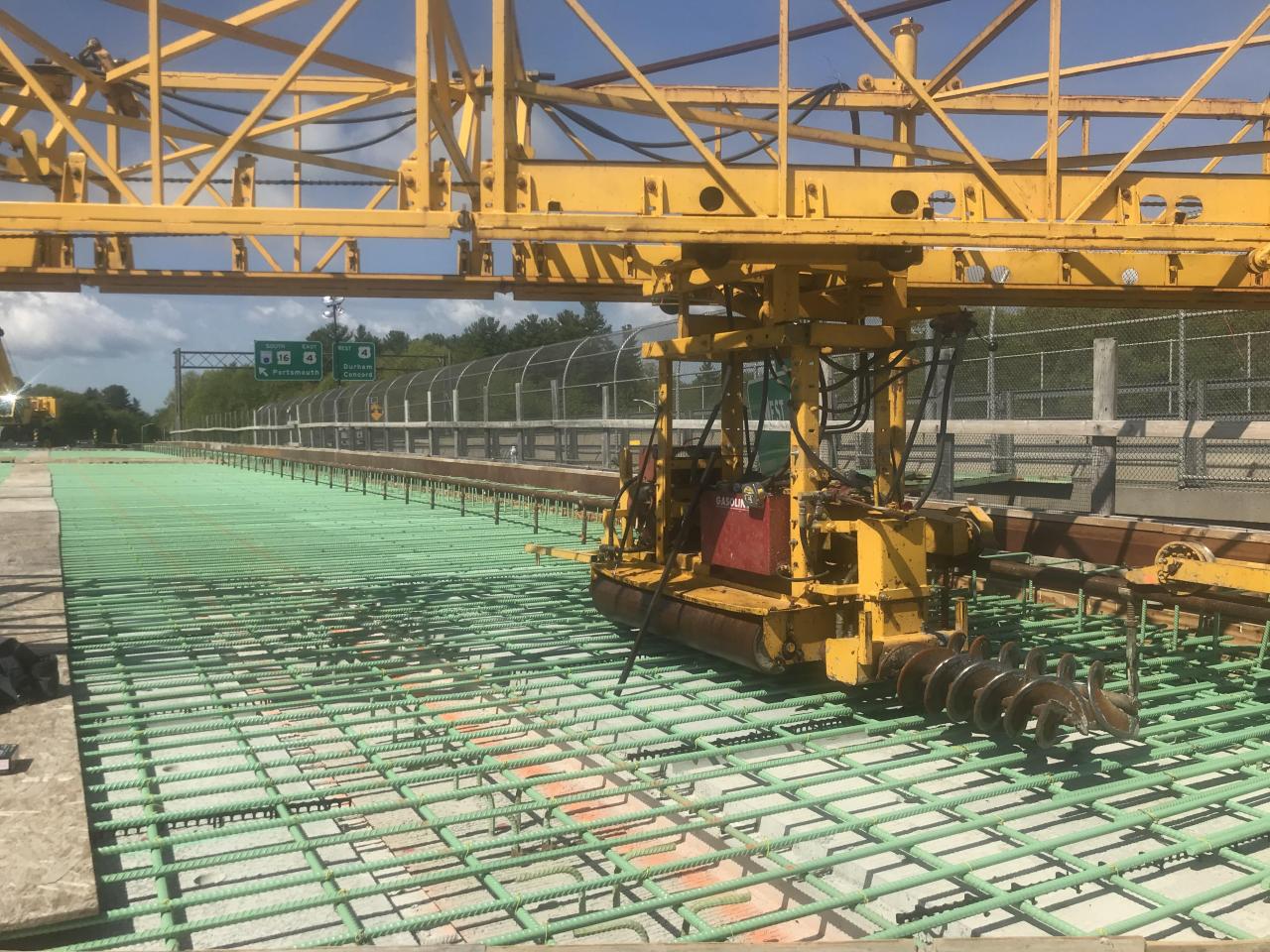
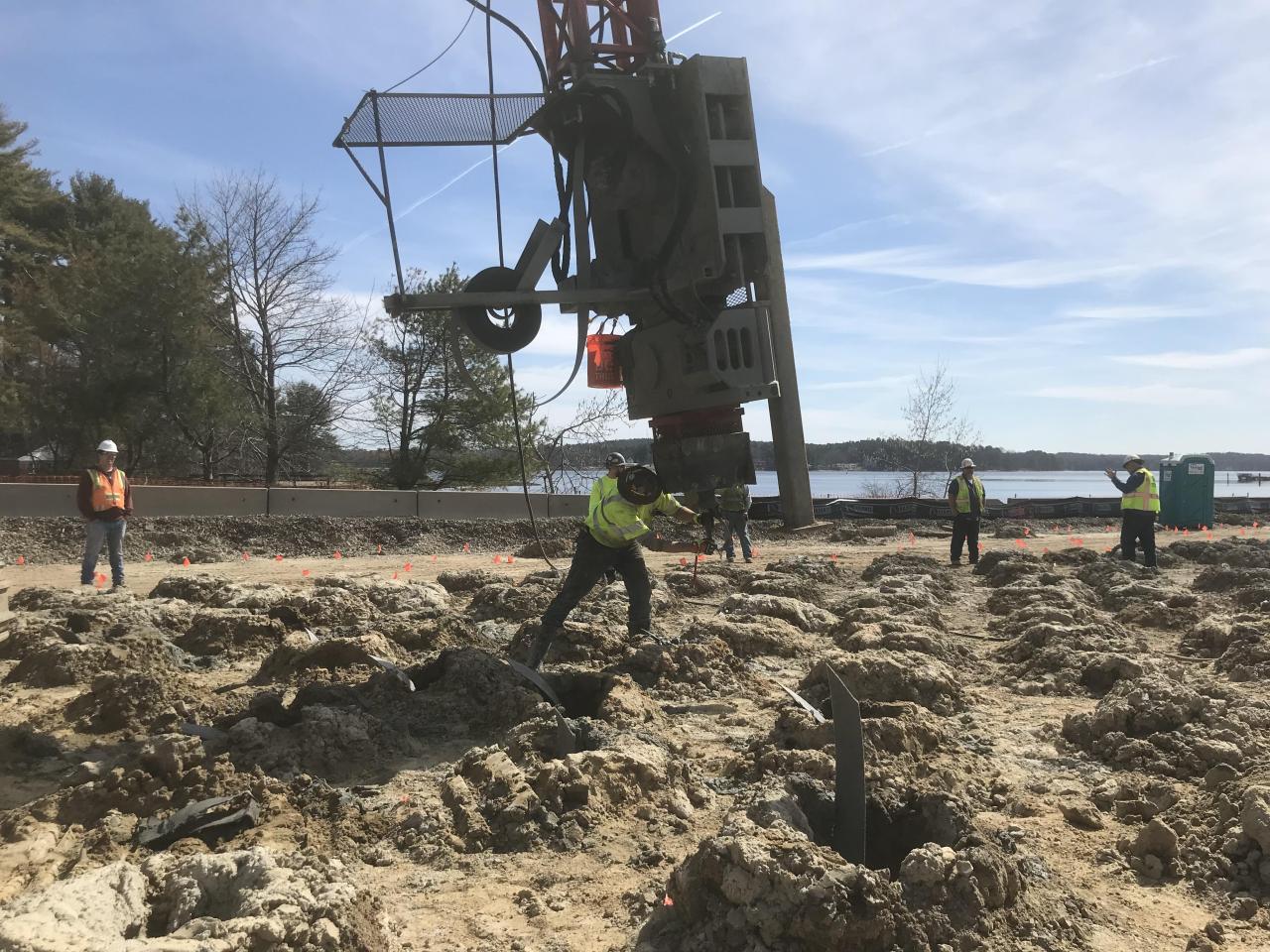
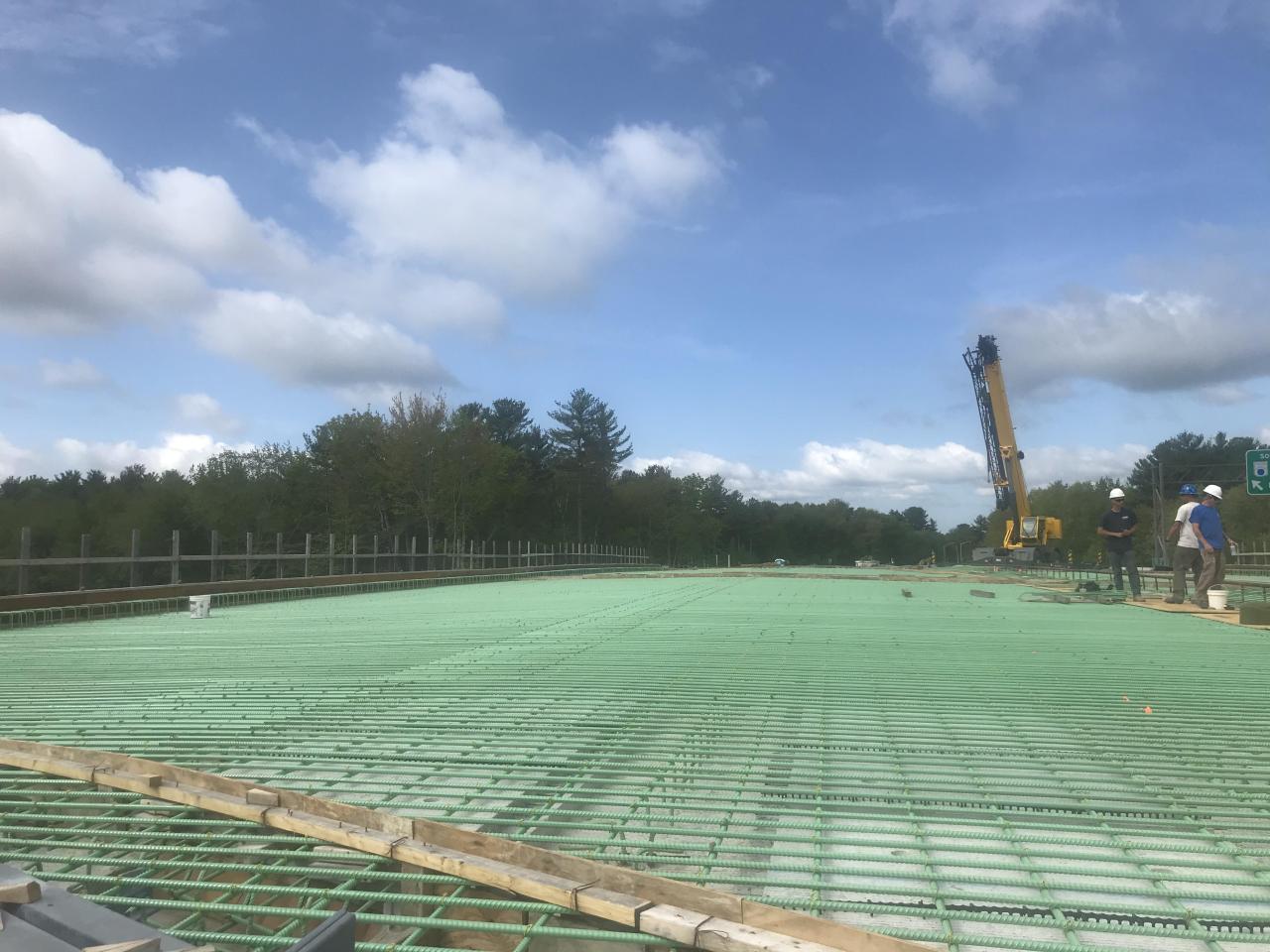
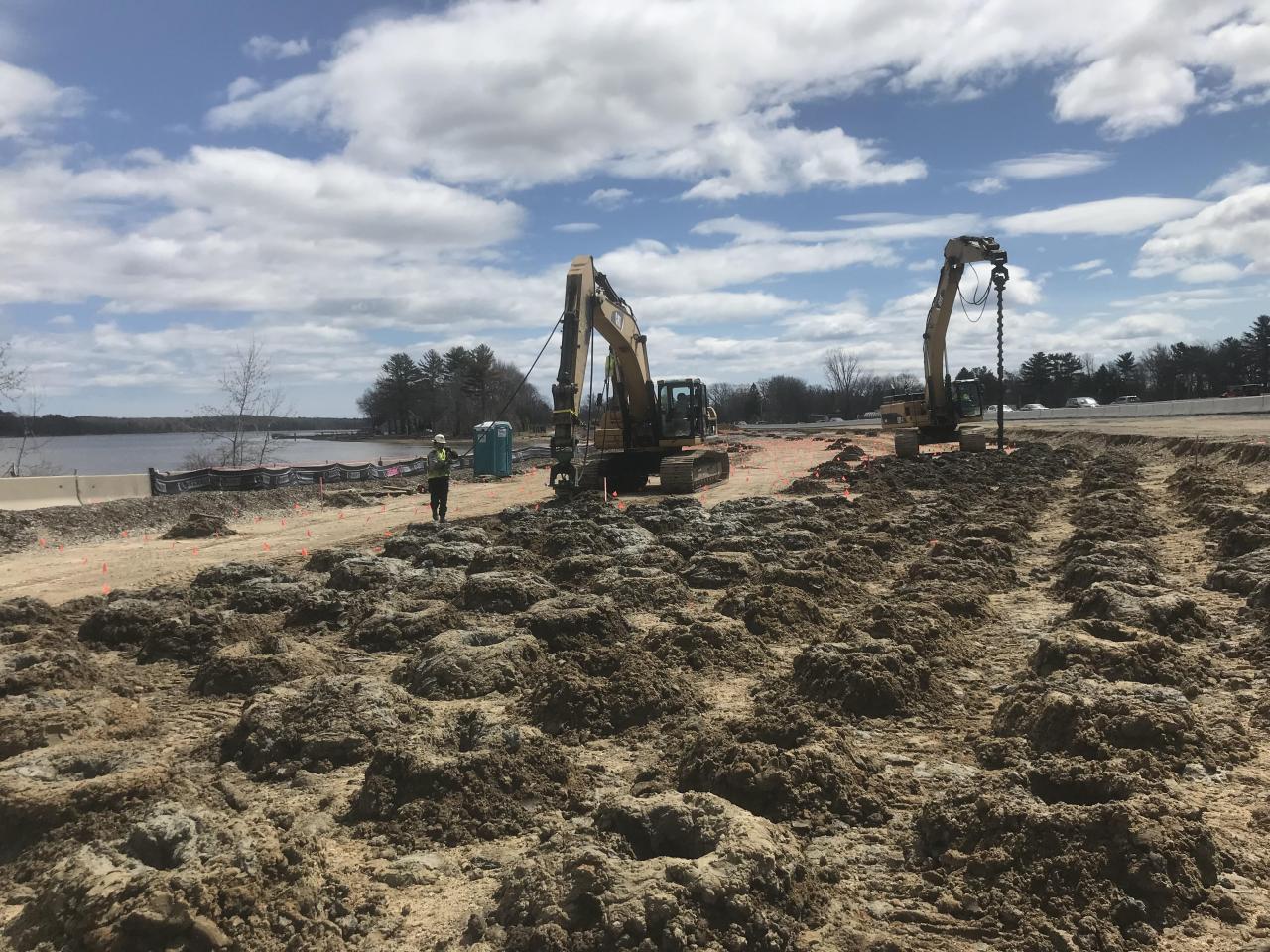
Reviewed structural design plans for state-code compliance and tracked ground-improvement placement on the Spaulding Turnpike widening, including a new Route 4 prestressed-concrete beam bridge.
Field perspective
Infrastructure takes shape.
Engineering judgment is stronger when analysis stays connected to sequence, access, tolerance, and real construction conditions.